

There’s a difference between criticism and silence.
Criticism is loud. Obvious. Easy to point at.
Silence is quieter—and far more shaping.
Years ago, during a season when money was tight and debt felt suffocating, my wife Rachel and I sat across from a bank manager to explain why we were struggling to keep up with payments. The market was down. We were over leveraged. We were doing everything we could just to stay afloat.
At one point she looked at me and said,
“So… you only have a high school education? You can’t get a better job somewhere to pay us back?”
It wasn’t really a question.
It was a verdict.
She wasn’t asking about cash flow. She was asking who I thought I was allowed to become.
I didn’t argue. I didn’t explain. I didn’t defend myself.
I walked out of that meeting with one thought:
I’ll show you.
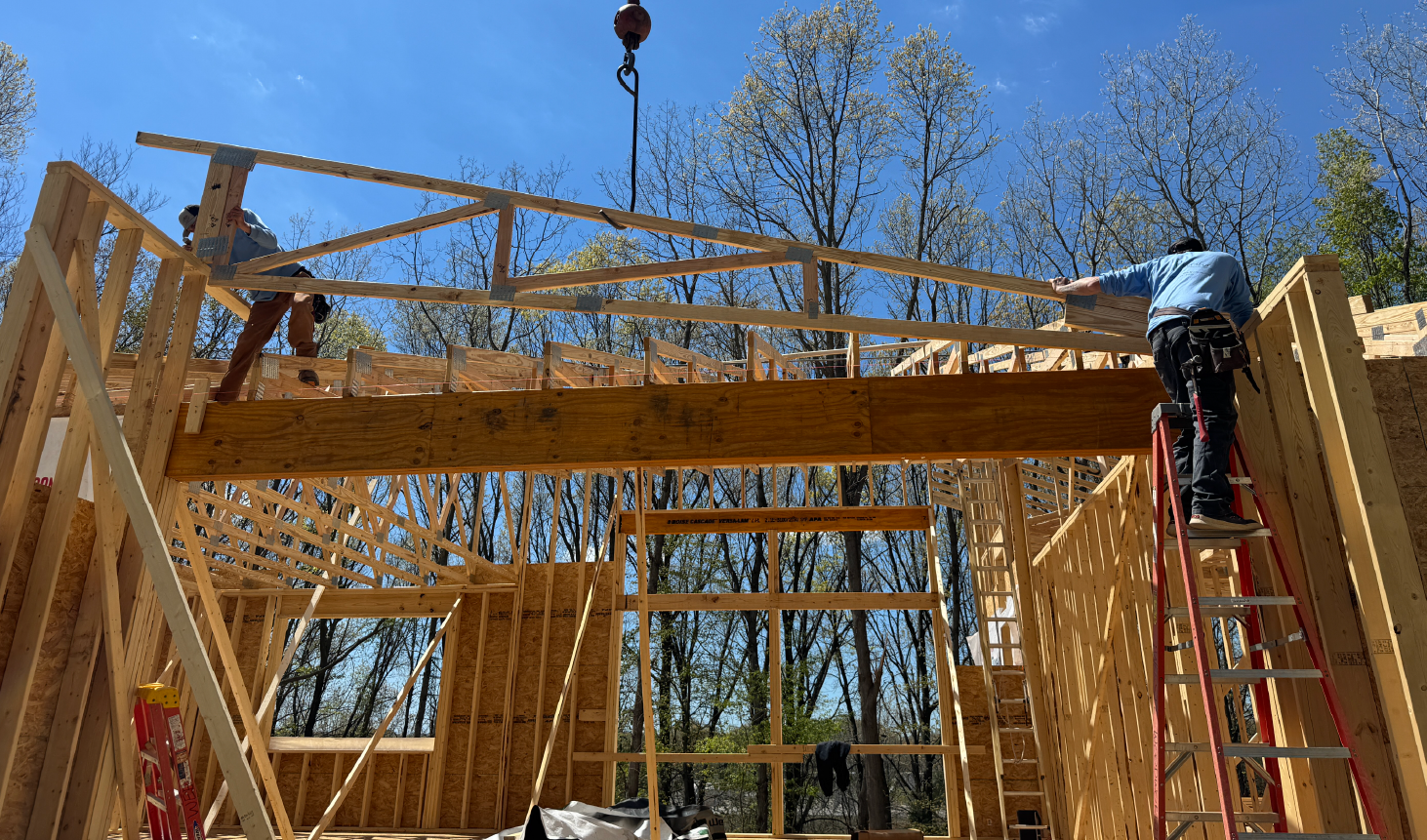
A few months later, that bank sold the loan. The new company called to collect. I offered twenty-five cents on the dollar. We settled at fifty. I paid the loan off in cash. Then I designed a house, listed it as “to be built,” and sold it within a week.
That was my first custom home build.
I didn’t call the bank manager.
I didn’t send an email.
I didn’t need to.
Results spoke just fine.
Over the years, I’ve learned how to filter criticism. If feedback aligns with my rule of three—multiple people, over time, pointing to the same issue—I listen closely. That’s worth considering. That’s growth.
But one-off comments? Especially from people driven by jealousy, anger, or gossip? I consider the source, laugh if appropriate, and move on.
Most of the time, I let the results do the talking.
That sounds noble. And sometimes it is.
But here’s what people don’t talk about:
The real cost isn’t the criticism.
It’s the silence.
No “atta boy.”
No “well done.”
No one celebrating the wins with you.
The discipline it takes to become debt-free.
The sheer agony of staying the course when quitting would be easier—and justifiable.
The restraint it takes not to explain yourself just to get a scrap of encouragement.
There were moments that almost broke us.
Not because the work was hard—but because it was unseen.
A single kind word can feel like a shot of pure energy. When it never comes, you learn something about endurance that most people never will.
And yes—if I’m honest—sometimes bitterness shows up faster than motivation. Sometimes I’m tired. Sometimes I don’t feel like turning negativity into fuel. Sometimes I just want someone to acknowledge the marriage that was worth fighting for, the kids raised with intention, the financial independence earned the hard way.
That tension is real.
But silence teaches you something important if you let it.
It teaches you to trust the still, quiet voice in your gut.
Because the moment you share your goals too early, you invite doubt. And doubt grows faster than discipline. Once it creeps in, you start second-guessing decisions, hesitating, pulling back. More dreams die from outside voices than from lack of ability.
That’s why I believe this:
Stealth is wealth.
Move quietly.
Protect unfinished goals.
Finish first. Talk later. Or don’t talk at all.
You don’t owe anyone visibility into a dream that hasn’t had time to grow legs yet.
There is satisfaction in proving people wrong. I won’t pretend otherwise. There’s something deeply human about overcoming opposition.
But the deeper win—the lasting one—is proving to yourself that a low moment didn’t define your ceiling.
And if no one ever acknowledges it?
That doesn’t erase the life you built.
Silence teaches patience.
Silence teaches discipline.
Silence teaches you who you are when no one is clapping.
And in the end, that’s usually enough.
Because the long way works. It always has.


.png)

.svg)
.svg)
.png)